
The Mad Woman: Die, My Love
So we begin again. The truth is, I haven’t had any motivation to write for the last 6 months, but today I watched Lynne Ramsay’s Die, My Love (2025), starring Jennifer Lawrence as Grace and Robert Pattinson as Jackson. This 35-mm masterpiece is a spinning wheel of the tumultuous postpartum journey mixed with the primal psychosexual reality of a family torn apart by life itself. It’s been a really long time since I’ve seen a film as visually stunning as this one in a 1.33:1 aspect ratio, really making you feel as confined as Grace’s character. While I acknowledge this film may not land with many people, I do hope it falls gently into the laps of women everywhere. That being said, if you or anyone you know is struggling with postpartum depression, there are resources linked at the bottom of this article.
As cinematographer Seamus McGarvey holds our hands through beautifully color-graded scenes of rural Montana, we are introduced to Grace and Jackson moving into Jackson’s deceased uncle’s old, fixer-upper country home. Grace and Jackson are not a normal couple. On the contrary, our feet are slowly dipped into the primal nature of their relationship. Crawling on all fours towards each other, clawing at one another bare-naked, baring their teeth playfully like wild cats. It is here that we learn that Grace and Jackson’s love is special and different. As the young couple attempts to navigate this new life away from New York, we see the cracks starting to form under pressure. The pressure of being a new homeowner, the pressure of pregnancy, and the pressure of still trying to live through it all. We see Grace’s exponential decent into madness while she’s pregnant, and more so after she has baby Harry. Similarly, we see Jackson’s support for Grace falter, but, somehow, never fail. Humans can experience unhealthy, codependent behaviors, so it’s only natural that we go through repeated, visceral cycles of self-destruction and still beg for forgiveness from the people we know deep-down truly care for us. Over and over, Grace would bleed out to know that she was still alive. We go throughout the whole movie wondering when or if this cycle will come to an end.
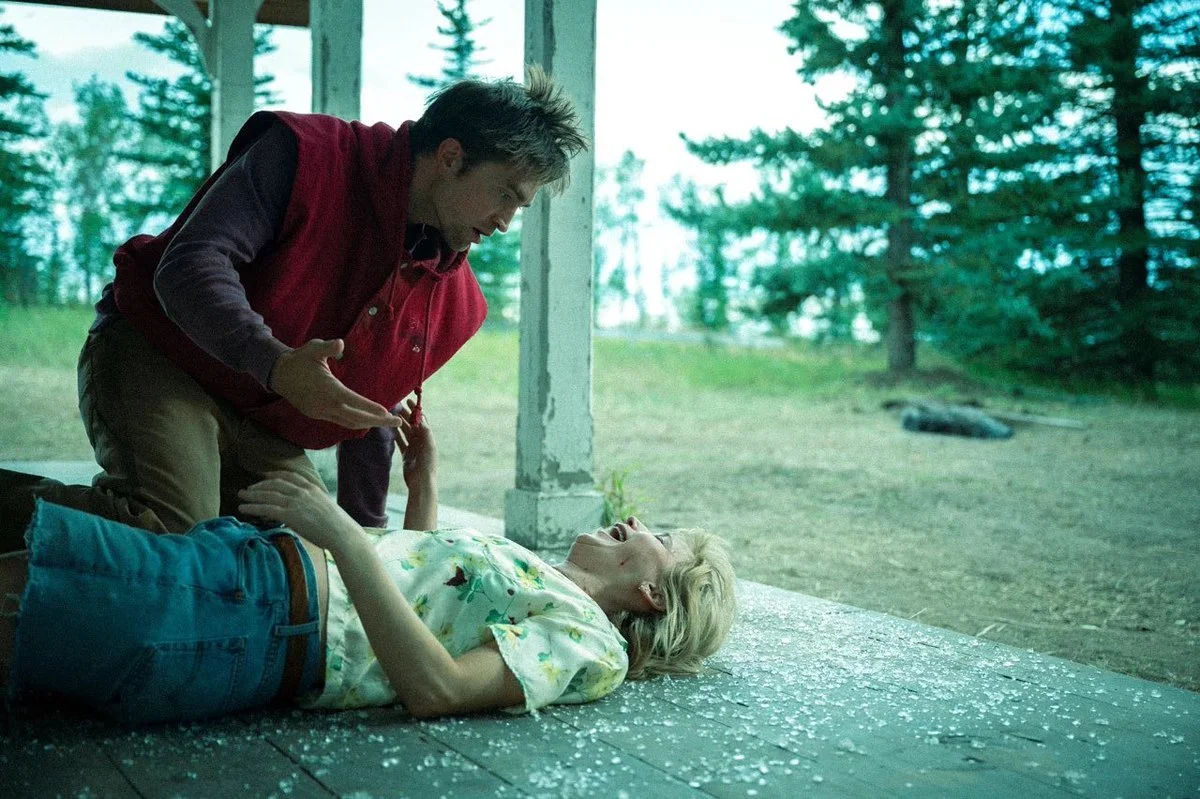

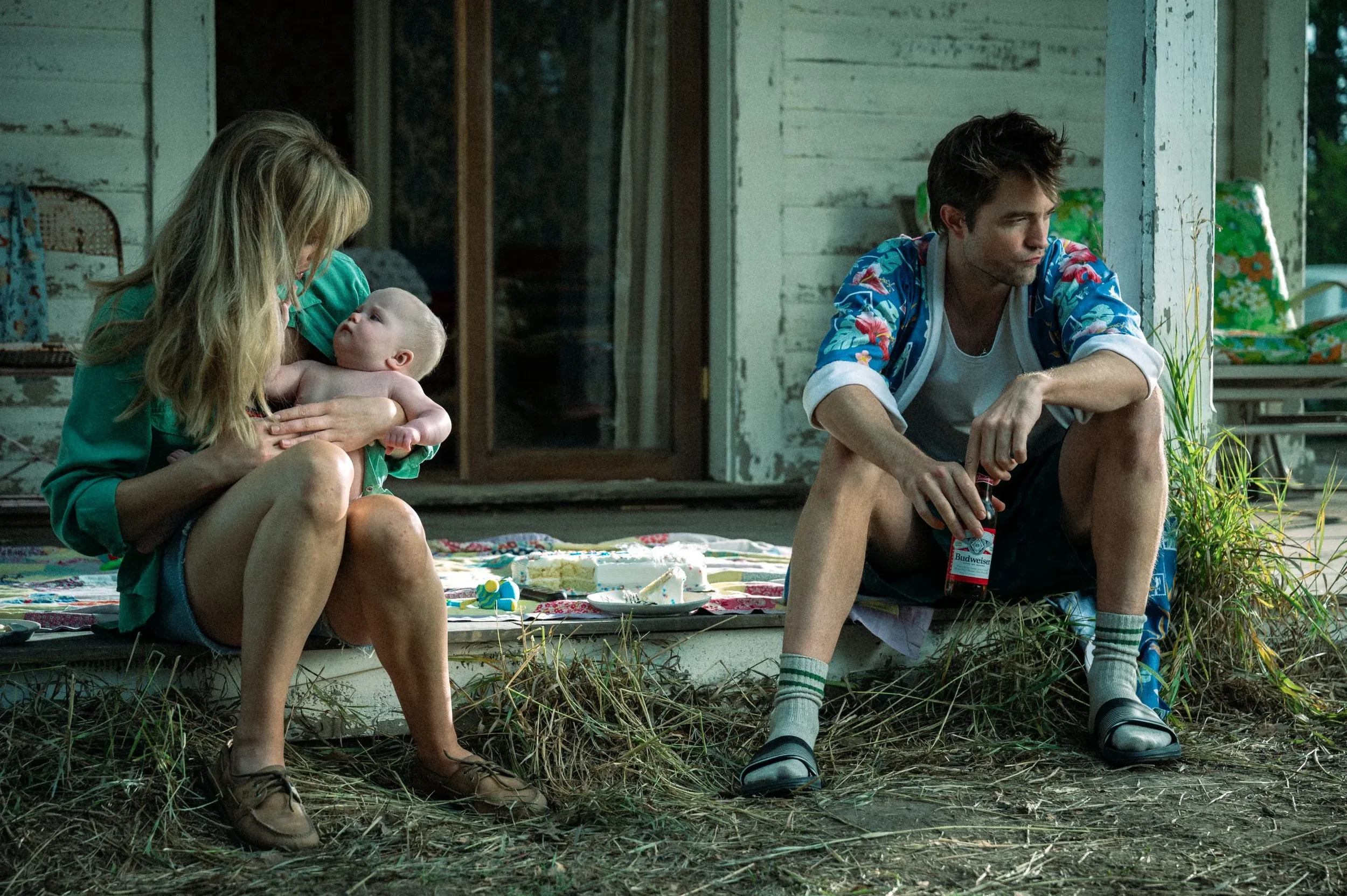

Ramsay’s direction paired with Lawrence’s outstanding acting made for the perfect depiction of what society views as “the mad woman” times one hundred. On the same vein, Pattinson’s supporting role was as ever prominent. Scenes where both Grace and Jackson would argue, make-up, or even just sit in silence were absolutely electric. And we must not forget Sissy Spaceck’s role as Jackson’s mother, Pam. Her role stuck out the most to me because we get a compassion towards Grace’s feelings that no other woman could truly understand. Pam has been where Grace is, she understands the mania, and she handles her gently. Much of the world isn’t gentle towards women’s struggles with postpartum depression, but it was so heartfelt to see Grace being treated with no judgement from Pam.
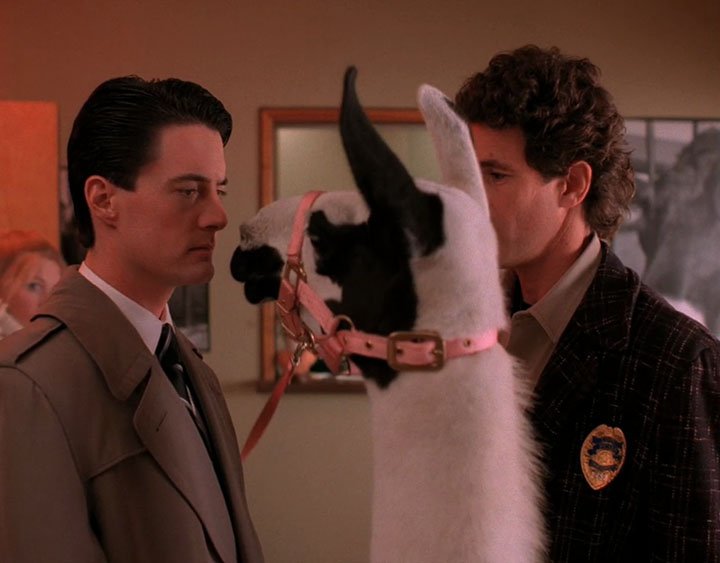
Lastly, I want to touch on the Academy aspect ratio that maintained itself throughout the course of the film. Like Ryan Coogler’s Sinners, I expected the aspect ratio to shift in and out of 1.33:1 to enhance the storytelling, but I was surprised to see that it remained constant. If you’ve ever seen Robert Eggers’ The Lighthouse (2019) and David Lynch’s Twin Peaks (1990), you know how impactful this type of aspect ratio can be. An aspect ratio of 1.33:1, also known as 4:3, puts the audience in a very boxy, claustrophobic space. Given the theme of a woman’s decent into madness, we feel as restricted as Grace felt in her relationship, in that house, and in that life. This was, in my opinion, a great stylistic choice that really brought the story off the screen and into our hands.
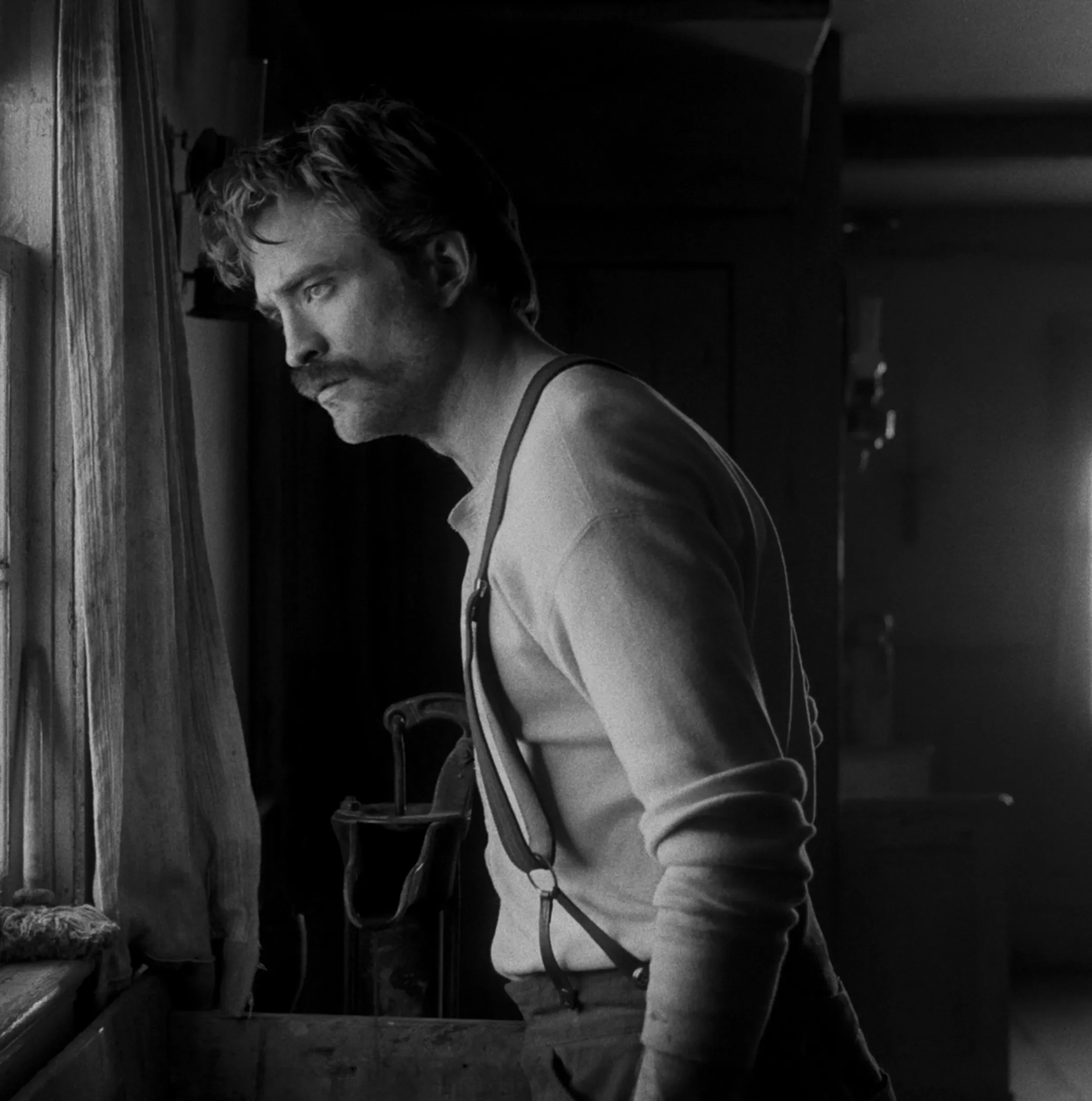
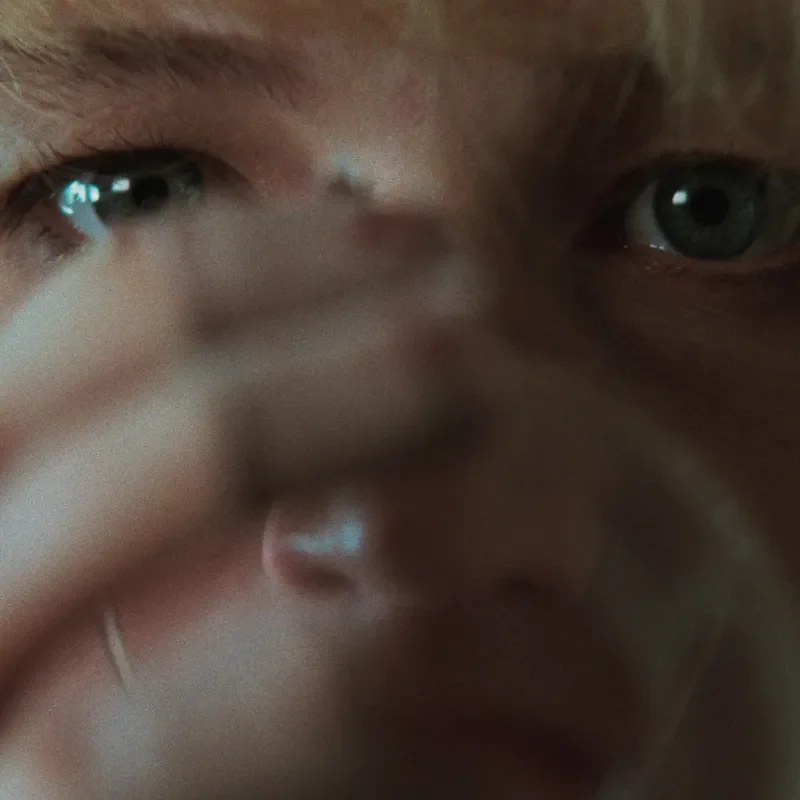
As of late, getting back into writing has been a bit difficult for me, but I realized that Ramsay’s latest work pulled me out of the rut I had built for myself. What a meaningful piece of work to be able to review. The life of a mother and a woman knows no end to its pain, but still we try to live to see another day. As mentioned before, if you or someone you know is struggling with postpartum depression or any mental health struggles, call or text 988 for free support, or text the National Maternal Mental Health Hotline at 1-833-852-6262 to get connected.
